So many property owners in Victoria are embracing home electrification. With rising power prices, the inconvenience of gas utilities, and multiple generous incentive programs like the Victoria Energy Rebate, the Victorian Energy Upgrade (VEU) program, and the Electrify Everything Loan Scheme, it’s truly never been easier to build an energy-efficient home.
But as exciting as upgrading your home may be, too many homeowners get ahead of themselves.
They buy solar panels, batteries, or EV chargers before ensuring their home’s electrical infrastructure can actually support them. There is a real risk in installing upgrades before knowing your electrical system can handle them all. The most cost-effective approach is to improve efficiency in the right order, starting by reducing energy demand before investing in larger electrical upgrades.
If you’re interested in investing in energy-efficient upgrades for your home, here is your guide to navigating the green shift!
Why the Green Shift Is Accelerating
So what is an energy-efficient home, and why are we hearing about them so much? Essentially, an energy-efficient home is one that’s designed to use less electricity while also maintaining comfort and performance. By combining insulation, efficient appliances, smart electrical systems, and renewable energy, homeowners can significantly reduce their ongoing energy costs.
Several factors are driving the shift to more energy-efficient homes across Victoria:
- Spiking electricity and gas prices.
- Government incentives through the Victoria Energy Rebate and Victorian Energy Upgrade program.
- Growing popularity of electric vehicles and expanded EV charging infrastructure.
- Better-performing heat pumps and reverse-cycle air conditioning.
- Higher resale value for energy-efficient properties.
For many Victorian households, available rebates and financing options mean the cost of upgrading is lower than ever and can even provide extra money!
Start With an Energy Audit
Historically, many older homes in Victoria have not been energy-efficient. Homes built before 1980 largely depended on analog climate control measures and far less on electrical appliances. Over the decades, these older homes have become inefficient for today’s modern needs.
So before a homeowner starts replacing their appliances, they should identify where their electricity is actually being used. In a typical home, the biggest energy contributors include:
- Heating and cooling
- Hot water systems
- Kitchen appliances
- Lighting
- Standby power from electronics
Review your electricity bills, smart meter data, or retailer energy portal to understand your home’s consumption patterns. An energy audit can help you prioritise installing upgrades with the highest return instead of replacing equipment that still performs efficiently.
Quick Wins vs. Major Upgrades
Generally, reducing energy consumption first improves the return on every upgrade that follows. But not every improvement requires a large investment, though. You can make a big impact with smaller upgrades that can add major value over time.
Here is a quick breakdown of some minor upgrades with their general costs and payback potential.
| Upgrade | Typical Cost | Potential Payback |
|---|---|---|
| LED lighting | Low | 1–3 years |
| Draught sealing | Low | 1–4 years |
| Ceiling insulation | Medium | 3–6 years |
| Heat pump hot water | Medium-High | 4–8 years |
| Reverse-cycle heating | Medium | 3–7 years |
| Solar PV | High | 4–8 years |
| Battery storage | High | 8–15 years |
Build Your Efficiency Stack
Energy-efficient upgrades tend to build on top of each other. The savings available from one will stack up on others, as your home’s electrical system picks up the slack. Here are some of the best energy-efficient home upgrades you could make in Victoria to help you stack up on major energy wins!
1. Improve Insulation and Eliminate Draughts
Heating and cooling losses account for a large portion of household energy use. Improving insulation and sealing air leaks often delivers one of the fastest returns and makes the home noticeably more comfortable. This will also make any future air conditioning upgrades far more efficient! Also, ceiling fans are a cost-effective way to cool spaces and are proving more popular as extreme heat waves become more frequent.
2. Upgrade Lighting and Smart Controls
Replacing halogen or fluorescent lighting with new LED lights can lower electricity usage immediately. Smart switches, timers, and motion sensors can all help eliminate unnecessary consumption throughout the home and add increased convenience and property value.
3. Install a Heat Pump Hot Water System
Water heating is one of the largest energy users in Australian homes, so upgrading your old water heating can provide a major savings boost. Modern heat pumps use substantially less electricity than conventional electric storage systems and may qualify for incentives under the Victorian Energy Upgrade program.
4. Replace Gas Heating With Reverse-Cycle Air Conditioning
Modern reverse-cycle air conditioning systems provide efficient heating and cooling from a single appliance and reduce dependence on gas. Combined with solar and improved insulation, you can keep your home feeling comfortable and temperate with significantly lower operating costs.
5. Upgrade to Induction Cooking
If you’re replacing your old gas heating, go ahead and get rid of your old gas stovetop, too! Induction cooktops offer faster cooking, improved safety, and better energy efficiency than traditional electric or gas cooking. They also support the transition toward fully electric homes, which more and more buyers are looking for!
6. Add Solar, Battery Storage and EV Charging
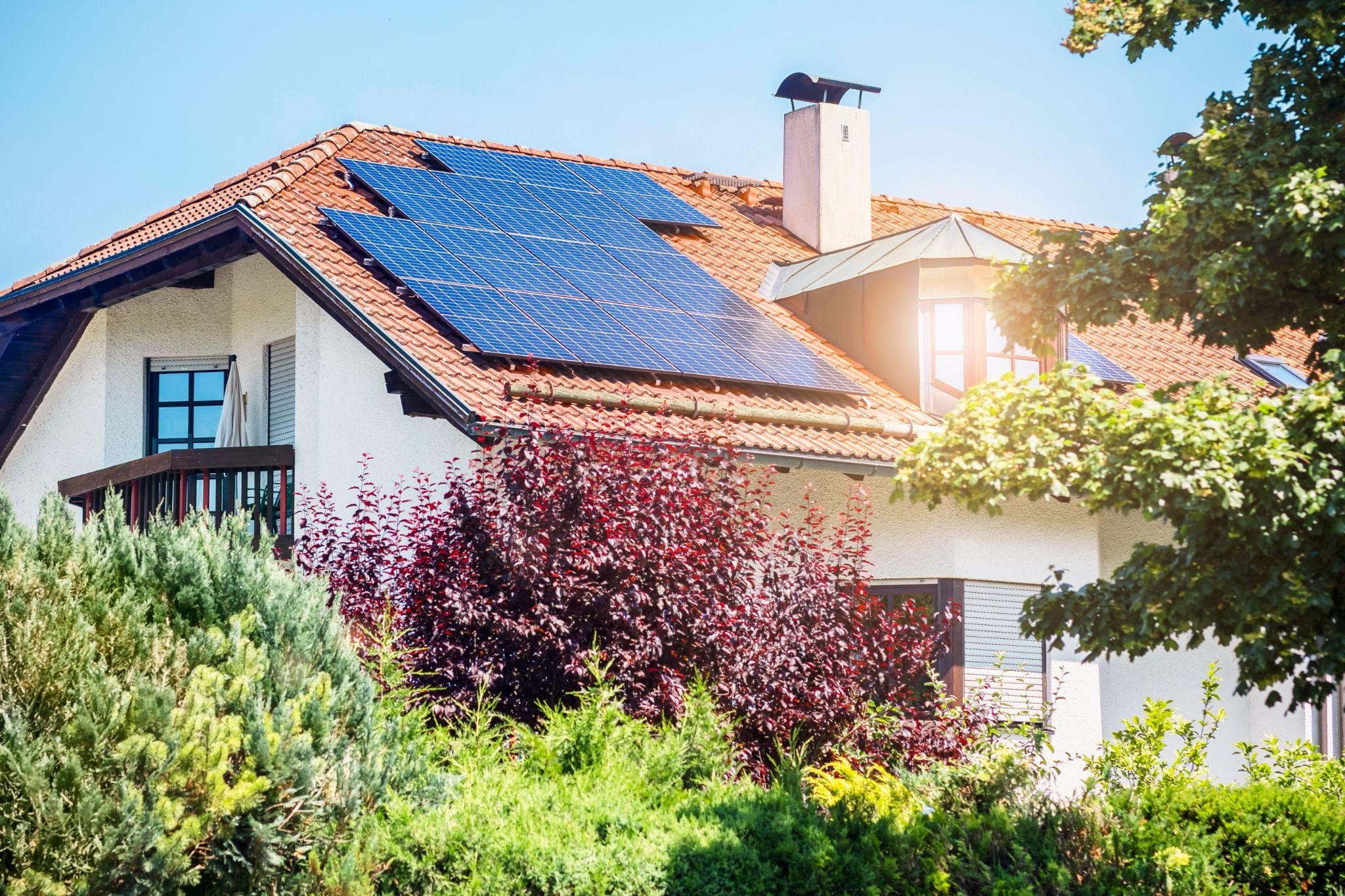
After reducing energy demand, solar panels, batteries, and electric vehicle charging deliver the greatest long-term value. Correct sizing is essential to avoid paying for unnecessary generation capacity.
Don’t Skip the Electrical Backbone
It’s important to understand that, while these energy-efficient upgrades will save money over time, they can be more expensive at the beginning stages of installation. Many electrification projects require a high investment cost and become more expensive than expected. Similarly, reverse-cycle air conditioning, induction cooking, heat pump hot water, rooftop solar, battery storage and EV charging dramatically increase electrical demand.
Before investing in these technologies, be sure to have a licensed residential electrician assess your home’s:
- Switchboard capacity
- Safety switches
- Main consumer mains
- Available circuits
- Single-phase versus three-phase power requirements
Many older Melbourne homes need a mains or switchboard upgrade before additional electrical loads can be safely installed. Planning these upgrades early helps avoid delays and duplicate installation costs.
Rebates and Incentives Available in Victoria
While there are generally no standalone rebates or government grants for rewiring a house, electrical upgrades like switchboard improvements may be part of larger electrification or renovation projects where other incentives apply. Victorian homeowners may be eligible for several programs that reduce the cost of electrification. These may include:
- Victoria Energy Rebate
- Victorian Energy Upgrade (VEU) discounts
- Electrify Everything Loan Scheme
- Household Energy Upgrades Fund
- Selected federal clean energy incentives
Eligibility changes regularly depending on household income, property type, and installed equipment. If you’re wondering how to apply for Victorian energy rebate programs, check the latest eligibility requirements on official Victorian Government websites before starting work, as approved products and providers can change.
Your 12-Month Upgrade Roadmap
Following this sequence ensures every upgrade builds on the previous one while avoiding unnecessary electrical modifications later.
| Timeline | Recommended Action |
|---|---|
| Months 1–2 | Energy audit and electrical assessment |
| Months 3–4 | Draught sealing, insulation and LED lighting |
| Months 5–6 | Upgrade hot water and heating/cooling |
| Months 7–9 | Switchboard or mains upgrades if required |
| Months 10–12 | Install solar, battery and EV charger |
Build a Smarter, Future-Ready Home with Approved Electrix
By improving efficiency, ensuring your electrical infrastructure is ready and using available rebate programs, you’ll maximise long-term savings while preparing your home for an all-electric future. If you’re planning home electrification, book an electrical load assessment with Approved Electrix. Our experienced Melbourne electricians can assess your switchboard, electrical capacity and future power requirements, helping you confidently plan renovations, solar, batteries, and EV charging installations.
Contact us today to get a quote and start your energy-efficient home journey!
FAQs
What is the Victoria Energy Rebate?
The Victoria Energy Rebate refers to various Victorian Government programs that help eligible households reduce the cost of energy-efficient appliances and home electrification improvements.
Are there government grants for rewiring a house?
Standalone grants for rewiring are uncommon. However, rewiring or switchboard upgrades may be required as part of broader electrification or renovation projects that qualify for other incentive programs.
How do I apply for Victorian energy rebate programs?
Eligibility depends on the specific rebate. Check current Victorian Government guidelines, confirm approved products and installers, then submit your application according to the program requirements.
Do I need a switchboard upgrade before installing solar or an EV charger?
Not always, but many older homes do. A licensed electrician should assess your switchboard capacity and electrical load before installing high-demand equipment.