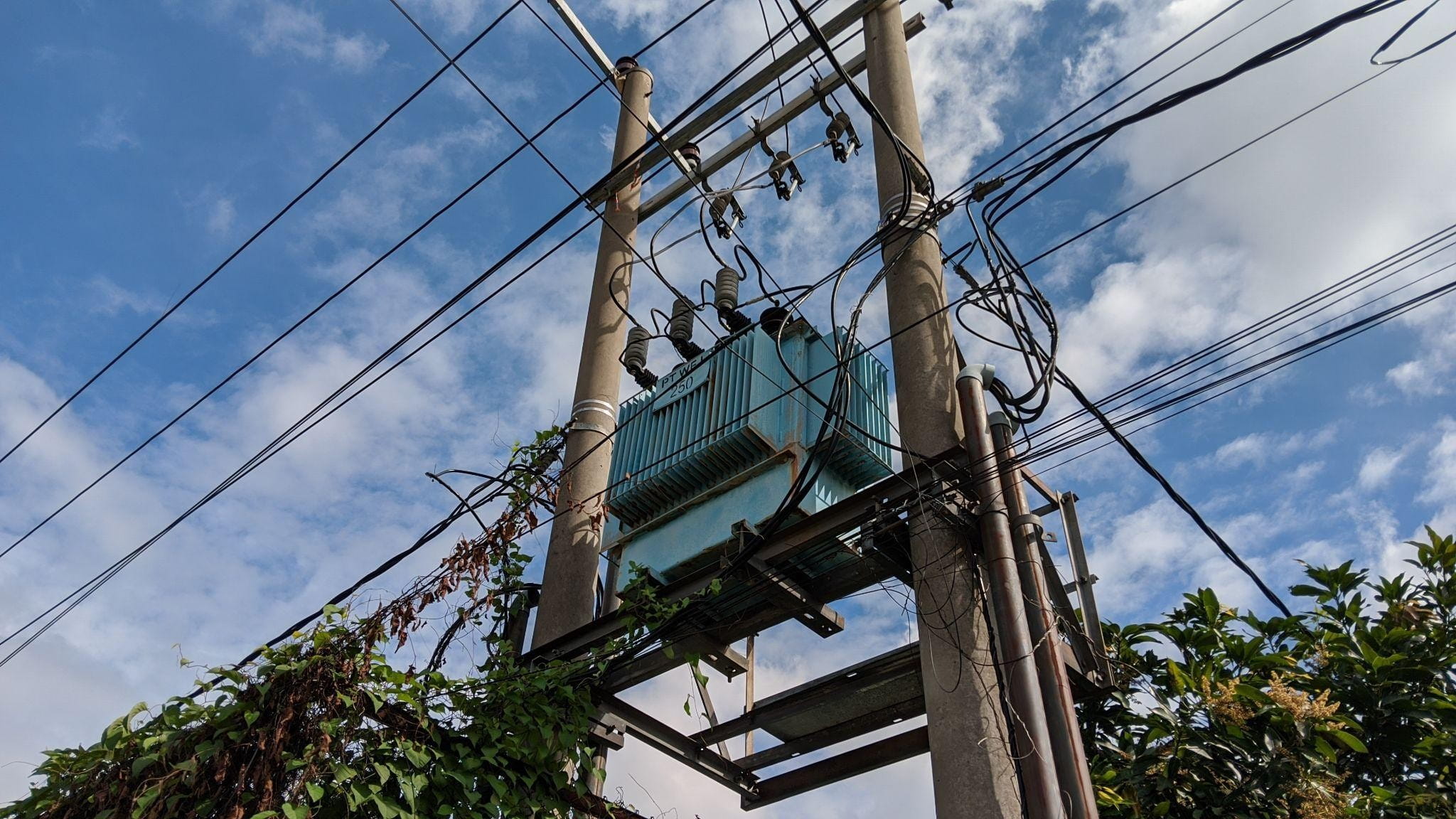
Older Melbourne homes were built to accommodate a much lower electrical demand. As homeowners add EV chargers, induction cooking, air conditioning, and solar, the mains supply can become a major bottleneck.Is Your Home’s Electrical Supply Ready for Electrification?
If you were to compare the houses of today with those from just five years ago, you wouldn’t be wrong for thinking you had jumped ahead into the far future! But trust us, you’re not in the Jetsons – you’re just in Melbourne! Melbourne homes are adding more and more complex electrical appliances than ever before: EV chargers, induction cooktops, heat-pump hot water, ducted heating and cooling, pool equipment, solar and batteries… the list goes on!
But all of these new appliances demand ever more electricity. And the reality is that many houses just aren’t equipped to handle all that increased electrical demand. Many older Melbourne homes were built with a 32A single-phase supply, which may have been perfectly adequate when the home’s electrical demand was much lower, but not in 2026 and beyond.
Does your existing mains supply have enough capacity to run everything you want? If you want to renovate your kitchen or home and plan to incorporate major upgrades in the near future, then there are two courses of action you may wish to take:
- Boosting your existing single-phase capacity where it makes sense for your property, perhaps by stepping up to a 63A supply.
- Making the jump from single-phase to a robust 3-phase connection strong enough to handle substantial loads and ensure better power distribution.
Why Are Melbourne Homes Running Out of Electrical Capacity?
Older Melbourne homes were designed around much lower electricity demand than modern households require. Not every home had a fancy TV or a Wi-Fi-enabled computer, and many families still relied on gas for cooking and heating. But now, electrification is the name of the game, and many Melburnians are caught trying to cram modern lifestyles into old-fashioned structures.
Adding an EV charger, induction cooktops, air conditioning, and solar can push a home’s existing supply beyond its design capacity. A mains upgrade can provide the additional capacity needed for modern electrification and add to property value in the future.
The appliances driving up household electrical demand
Some of the most popular modern electrical appliances driving up electrical demand at home include:
- EV chargers
- Induction cooktops
- Heat-pump hot water
- Split system air conditioning
- Pool pumps and heating
- Solar and battery systems
- Computers, smart TVs, and Wi-Fi
If your home requires many appliances like these, you may benefit from a three-phase power upgrade. Three-phase power in Australia won’t reduce electricity consumption, of course, but its benefit is that it provides greater capacity and allows loads to be distributed much more efficiently across multiple phases.
32A vs. 63A vs. Three Phase: What’s the Difference?
A 32A single-phase supply provides considerably less available capacity than a 63A single-phase supply, while three-phase power allows electrical loads to be distributed across three phases. For older, smaller homes with lower demand, single-phase remains appropriate, but for larger, newer homes with high electrification, 3-phase makes sense! The right option depends on your home’s existing supply, maximum demand, planned appliances, and your electricity distributor’s approval for the property.
Here are some of the basic differences between 32A, 63A, and three-phase power:
| 32A vs. 63A vs. Three-Phase | ||
|---|---|---|
| Supply | Best suited to | Potential limitation |
| 32A single-phase | Older, lower-demand homes | Can become restrictive with multiple high-demand appliances |
| 63A single-phase | Homes needing additional capacity without three-phase | May still be insufficient for very high simultaneous demand |
| Three-phase | Highly electrified homes and larger loads | More extensive upgrade and potentially higher installation cost |
Does my electrified home need three-phase power?
No, not every electrified home needs three-phase power. Some homes can accommodate modern appliances just fine with an appropriate single-phase upgrade, load management, and careful circuit design. Three-phase power is particularly useful when multiple large loads need to operate simultaneously or when equipment is specifically designed for it.
If you are unsure if your home would benefit from a three-phase power upgrade, then get in touch with us for expert advice and recommendations.
What Does a Three-Phase Power Upgrade Actually Involve?
A three-phase power upgrade changes a property’s electricity supply from one active phase to three. This helps distribute larger electrical loads much more easily and evenly. Depending on the property, the work can involve upgrading the consumer mains, replacing the switchboard or meter panel, installing three-phase protection, modifying metering, and balancing circuits across the three phases.
A standard 3-phase power installation service will typically look like this:
- We will assess your home’s current and future electrical demand to determine the best course of action.
- Our team inspects the existing switchboard and meter arrangements.
- We will coordinate with your electricity distributor to determine compatibility requirements.
- The switchboard and mains are upgraded as required.
- Three-phase protection and switching are installed while we rebalance circuits across the phases.
- We conduct a complete inspection and certification to finalise disconnection and reconnection.
How Much Does a Three-Phase Power Upgrade Cost in Melbourne?
The cost to upgrade to three-phase power can vary considerably between properties. As a rough guide, residential upgrades may cost between $5,000 and $15,000, including GST. Straightforward installations can cost less, though, and projects involving substantial mains, switchboard, underground, or network work can cost more.
Cost factors for a 3-phase power installation can include:
- Overhead vs. underground supply
- Existing switchboard condition
- Consumer mains
- Cable route
- Distributor charges
- Inspection and certification
- Circuit relocation
- Existing defects
- Asbestos-related work
One recent project totalled approximately $12,276, including GST. This included new mains, earthing, a 42-pole main switchboard, relocation of existing circuits, new three-phase submains, and a separate expansion board for future circuits. Existing fault-finding, repairs, and brickwork repairs were excluded.
We always recommend having the property inspected before relying on a price, however. Two homes in the same street can require very different amounts of work!
FAQs
Does a three-phase upgrade increase my electricity bill?
Three-phase power itself does not reduce or increase electricity consumption. It provides greater electrical capacity and allows loads to be distributed across three phases.
Is 63A better than three-phase power?
The choice isn’t about which is superior, but rather what fits your property. Boosting to a 63A single-phase supply can suffice for some households, whereas upgrading to three-phase power is ideal for Melbourne homes with extensive electrical requirements or specific machinery designed for it.
Can I install an EV charger without three-phase power?
Yes, many EV chargers operate on single-phase power. However, three-phase can allow compatible vehicles and chargers to support faster AC charging.
Does solar require three-phase power?
No, solar appliances can be installed on single-phase properties. Three-phase power can provide additional design options for larger systems, but distributor approval and site-specific requirements may still apply.
Will I need an electrical switchboard upgrade?
Possibly. The existing switchboard, mains, meter panel, earthing, circuit protection, and available space must be assessed before determining the required work.
Upgrade Your Home to Three-Phase Power with Approved Electrix!
Are you ready to find out whether your Melbourne home may benefit from a 3-phase power upgrade?
Approved Electrix can assess your home’s existing electrical supply, switchboard, and consumer mains, as well as your future power requirements, before recommending the right upgrade. Whether you’re preparing for an EV charger, replacing gas appliances, installing solar and batteries, or planning a whole-home electrification project, we’ll help you build an electrical system that can handle what’s coming next.
Contact Approved Electrix today to arrange an assessment and get a quote for your mains or three-phase power upgrade!